A Late-Summer Supper Built Around Tomatoes
Plan a late-summer supper around ripe tomatoes, with flexible pairings for hot evenings, hungry guests and a table that needs to work ahead.
A late-summer supper built around tomatoes works best when the fruit sets the pace and the other dishes make room for it. Choose tomatoes that smell fragrant at the stem end and give slightly under a gentle touch; then decide whether your evening calls for a cool, spare table or a more substantial one.
That choice matters because ripe tomatoes bring plenty of their own: sweetness, acidity, juice and a soft texture that can turn a plate into a small landscape. Treat them like the centre of a table rather than a garnish, and you can build a meal that feels generous without asking every dish to compete.
What kind of evening are you feeding?
Start with the conditions you can actually see: the heat, how long guests will stay, whether you want to cook, and how much food the table needs. A supper for two on a warm porch has different demands from a long visit with relatives arriving hungry. The tomato can lead both, but the supporting cast should change.
Think of the menu like a well-set table: each dish should have a place, not crowd the centre. If the tomatoes are juicy and ripe, pair them with something that catches their liquid, something with a little substance, and—if you like—a sharp or aromatic accent. You do not need all three in elaborate form.
How do you plan a late-summer supper around tomatoes?
Build the meal in this order: decide how the tomatoes will be served, choose one filling accompaniment, add a supporting dish with a different texture, and leave any last-minute seasoning until just before eating. This keeps the fruit prominent while making the meal satisfying.
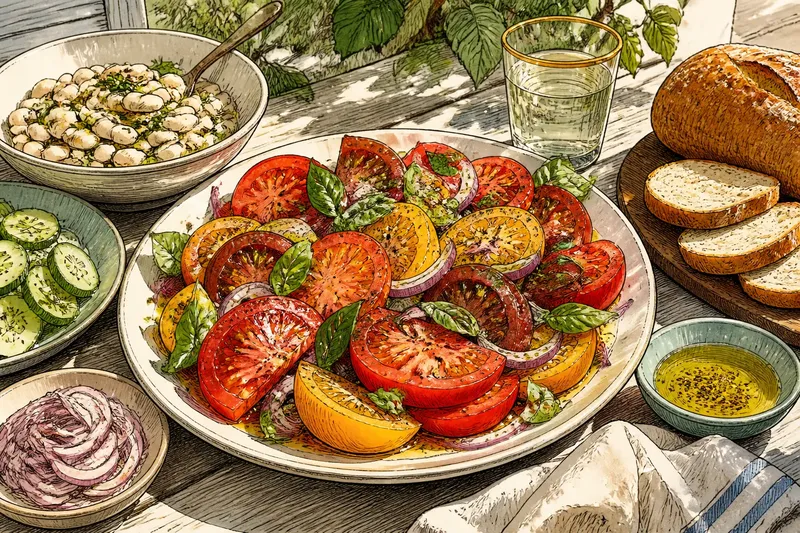
- Choose the tomato form. Thick slices of a large heirloom or beefsteak tomato make a clear centrepiece. A bowl of halved cherry tomatoes is easier to share, while wedges of mixed varieties look relaxed and bring different degrees of sweetness and tang.
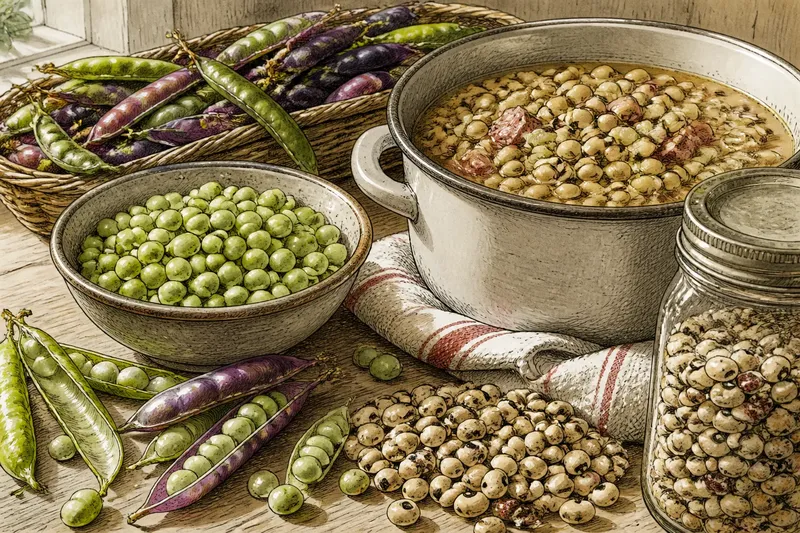
- Pick one substantial partner. Consider white beans, butter beans, grilled bread, boiled new potatoes, a simple omelette or a piece of grilled fish. Choose according to appetite and the time you have; the tomato dish need not carry the whole meal alone.
- Add one contrast. A handful of torn basil, sliced sweet onion, crisp cucumber, peppery greens or a spoonful of chopped herbs can change the texture and aroma without burying the fruit.
- Decide what can wait. Wash greens and set out plates ahead, but slice tomatoes close to serving so their cut surfaces stay appealing. Keep salt, pepper, vinegar or lemon nearby for the final adjustment.
- Serve the juices, not just the slices. Set out bread or another absorbent side if the tomatoes are especially ripe. Their juices mingle with oil and seasoning into a dressing worth catching.
Say you have a bowl of ripe mixed tomatoes, a tin of butter beans and a loaf of bread, but little appetite for standing at the stove. You could drain and rinse the beans, dress them with olive oil, black pepper and chopped parsley, then serve them beside tomato wedges and toasted bread; the beans make the meal more filling, while the bread catches the tomato juices.
What suits a hot evening with little cooking?
For a hot evening, keep the stove off or use it briefly. Serve room-temperature tomato slices with cucumber, basil and a little thinly sliced onion, then add bread and a bowl of beans dressed with olive oil and vinegar. The beans can be prepared ahead; the tomatoes stay the vivid, fresh part of the plate.
If a chilled dish sounds better, make a tomato salad with cucumber and herbs, but keep watery ingredients separate until serving. Salt draws liquid from cut tomatoes, so dress them shortly before the meal rather than letting them sit for hours. A shallow platter helps distribute the slices and keeps the juices accessible.
For a more filling no-fuss supper, add cheese if it suits your table: fresh mozzarella, feta or a firm local cheese each brings a different texture and saltiness. Use a modest amount so the tomatoes still lead. A few olives or a spoonful of pickled pepper can provide a briny note without turning the meal into a collection of toppings.
What fits when guests arrive hungry?
Give the tomatoes a substantial neighbour rather than asking them to serve as the only course. Grilled chicken, fish, eggs or a dish of beans can anchor the meal, with a platter of seasoned tomatoes alongside. This arrangement is easy to scale by adding another filling dish, not by making the tomato salad increasingly complicated.
For a relaxed family supper, set out tomatoes, sliced onion, herbs, bread and the main dish separately. Guests can assemble their own plates, and the tomatoes remain fresh for people who want more. If you are cooking something hot, finish it before slicing the fruit so the tomato platter does not sit waiting.
A warm accompaniment can also balance a cool tomato plate. New potatoes tossed with herbs, grilled corn or rice served at room temperature makes the meal feel settled without taking over. Choose one, not all: a late-summer table can be abundant in flavour while remaining simple in form.
What if the tomatoes need a little help?
Not every tomato on the counter will be equally ripe. If yours taste mild, pair them with ingredients that bring fragrance or savouriness: basil, ripe peach, a small amount of sharp cheese, or a dressing with vinegar and olive oil. Cut the tomatoes into wedges rather than thin slices so their texture remains noticeable.
If they are very soft and juicy, use a rimmed platter and keep the seasoning restrained until serving. A little salt can sharpen their flavour, but too much liquid may gather quickly; serve bread alongside and spoon some of the juices over beans or greens. For fruit with bruised areas, trim those parts with a clean knife and use the sound flesh promptly.
When the tomatoes are plentiful, make the table flexible rather than committing every one to a single salad. Put a bowl of sliced tomatoes at the centre, then offer herbs, onion, oil and vinegar separately. That lets each person dress a portion as they like and leaves any untouched pieces available for the next meal.
Which tomato supper questions come up most often?
Should tomatoes be refrigerated before supper?
For the fullest aroma and texture, keep ripe tomatoes at room temperature if you plan to serve them soon. If they are already very soft or you need to hold them longer, refrigeration can slow further softening; let them lose their chill before serving if time allows.
How far ahead can I prepare tomato salad?
You can wash herbs, slice onions and arrange other ingredients ahead, but cut and season the tomatoes close to serving. This helps preserve their shape and avoids a pool of liquid forming before guests sit down.
What bread works with tomato juices?
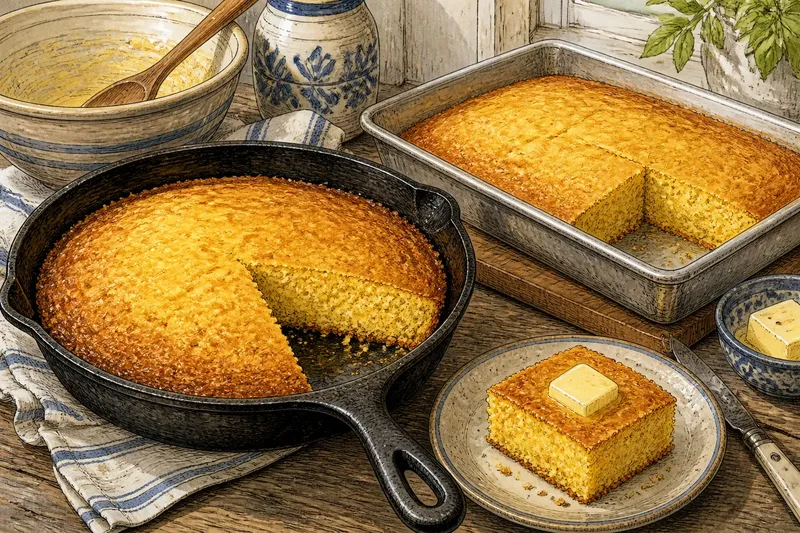
A crusty loaf, toasted slices or sturdy cornbread can all catch the juices, depending on the rest of the meal. Pick bread with enough structure to hold a bite without overwhelming the soft fruit.
Can a tomato supper be made without dairy?
Yes. Beans, grilled bread, potatoes, eggs, fish or chicken can provide substance, while herbs, onion and a sharp dressing supply contrast. Choose the combination that suits the guests rather than treating cheese as essential.
How should you bring the platter to the table?
Use a broad plate or shallow dish, arrange the tomatoes without stacking them heavily, and add herbs at the last moment. Season with salt and pepper, then offer oil and vinegar so diners can adjust their own portions. A little chopped basil or parsley is often enough; the fruit should remain visible.
Set the platter down with its juices and a serving spoon, and keep the accompaniment close enough to share. If the meal stretches on, bring out another small bowl of fresh slices instead of leaving a dressed platter to soften. A late-summer supper built around tomatoes is most satisfying when the fruit tastes as fresh at the table as it did in the kitchen: plan around its ripeness, then let the rest of the meal follow.